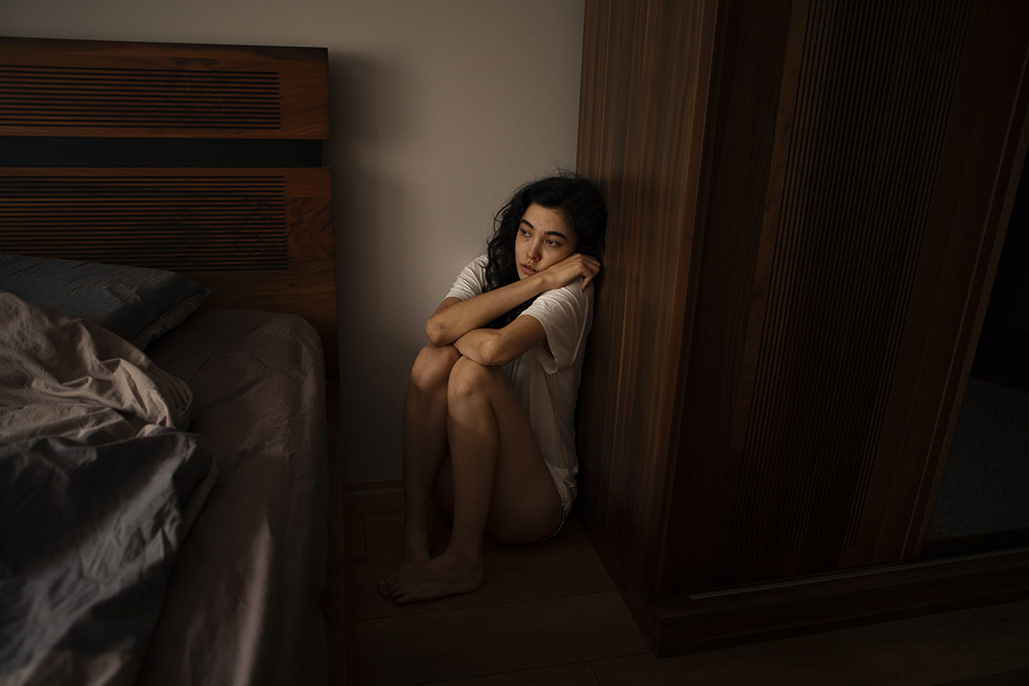
Even after a traumatic or deeply distressing event has ended—such as an accident, the loss of a loved one, or being harmed—some emotional scars may not fade away quickly. Many people continue to feel shaken even weeks or months later. This is not just ordinary sadness but what is known as Post-Traumatic Stress Disorder (PTSD), a condition that can affect everyday life without us realizing it.
People with PTSD are not simply “overthinking” or “too sensitive.” In truth, this is a mental health condition with clear causes that can happen to anyone, no matter how strong they are. It is linked to the brain and nervous system that regulate emotions and stress. After a traumatic event, the brain struggles to process fear, grief, and sudden confusion. In the first 2–3 days, symptoms such as nightmares, anxiety, or social withdrawal may occur. Normally, with proper care, these symptoms fade within a month.
For some, however, the feelings do not ease. Instead, they become deeply ingrained, resurfacing daily as vivid flashbacks, recurring nightmares, or fear in ordinary situations. Some people avoid anything connected to the event—places, people, or even conversations. At times, anger, sadness, guilt, or loneliness replace their sense of self, making it hard to trust others or feel safe, even in a safe environment.
These symptoms are not minor and should never be ignored. PTSD can affect sleep, work, relationships, and even physical health. When the brain endures prolonged stress, the nervous system becomes imbalanced. Many try to cope in unsafe ways—through alcohol, drugs, reckless behavior, aggression, or even self-harm. These are not conscious choices but rather responses to deep pain that feels uncontrollable.
Misunderstandings are common. People may think PTSD sufferers just want attention or that “they shouldn’t be this affected.” In reality, they are hurting so much that they don’t know how to cope. Understanding without judgment is the first step to helping—whether from professionals or simply from supportive people who provide a safe space for them to open up again.
The good news is that PTSD is treatable. With proper care from psychiatrists or psychologists, therapies such as Cognitive Behavioral Therapy (CBT) or Eye Movement Desensitization and Reprocessing (EMDR) have proven effective. In some cases, medication may also be used. What matters most is taking the first step. Admitting the need for help is not weakness—it is true courage.
Along the healing journey, simple self-care is equally important: getting enough rest, eating nourishing food, gentle exercise, avoiding alcohol or stimulants, and staying in a calm, safe, and supportive environment. Talking to someone you trust—or simply letting out your feelings—can lighten the emotional weight more than you might expect.
Recovery doesn’t happen overnight, but every step forward brings you closer to a stronger, more resilient, and more beautiful self. No matter how low you feel, you are worthy of care, understanding, and healing.