Health Brings Wealth is BDMS’s bi-monthly magazine offering health knowledge and medical news. Happy Health provides practical tips on disease awareness, treatment updates, and proper self-care.



(79 articles)
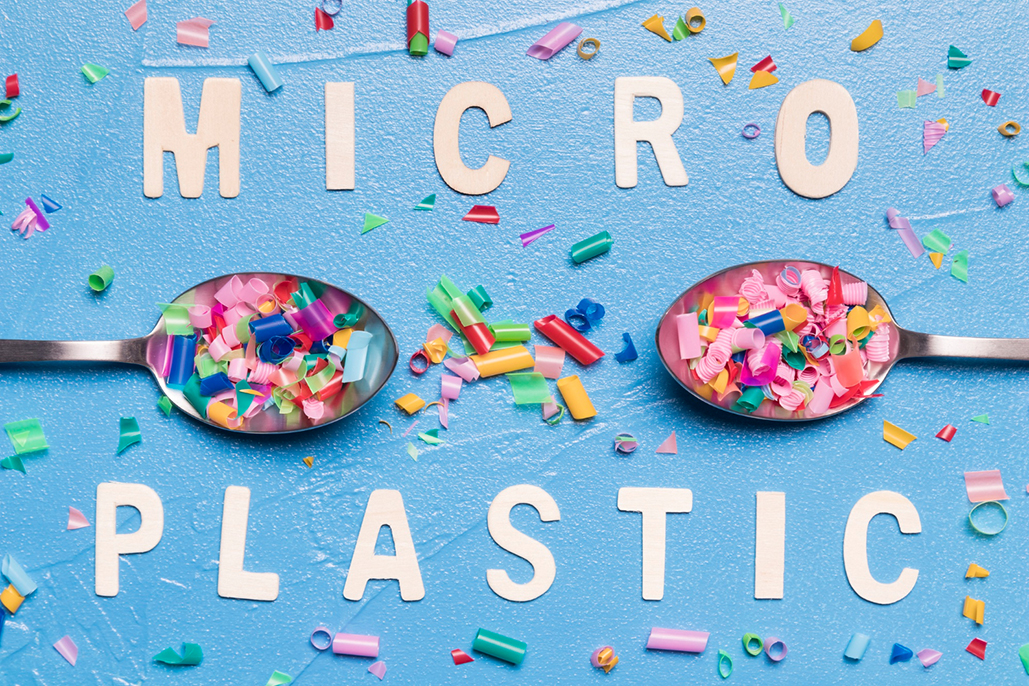
Microplastics may be so small that they are nearly invisible to the naked eye, yet their impact is far greater than expected. In everyday life, we may unknowingly come into contact with or ingest these tiny plastic particles—less than 5 millimeters in size—through food, drinking water, the air we breathe, or even exfoliating creams in the bathroom.
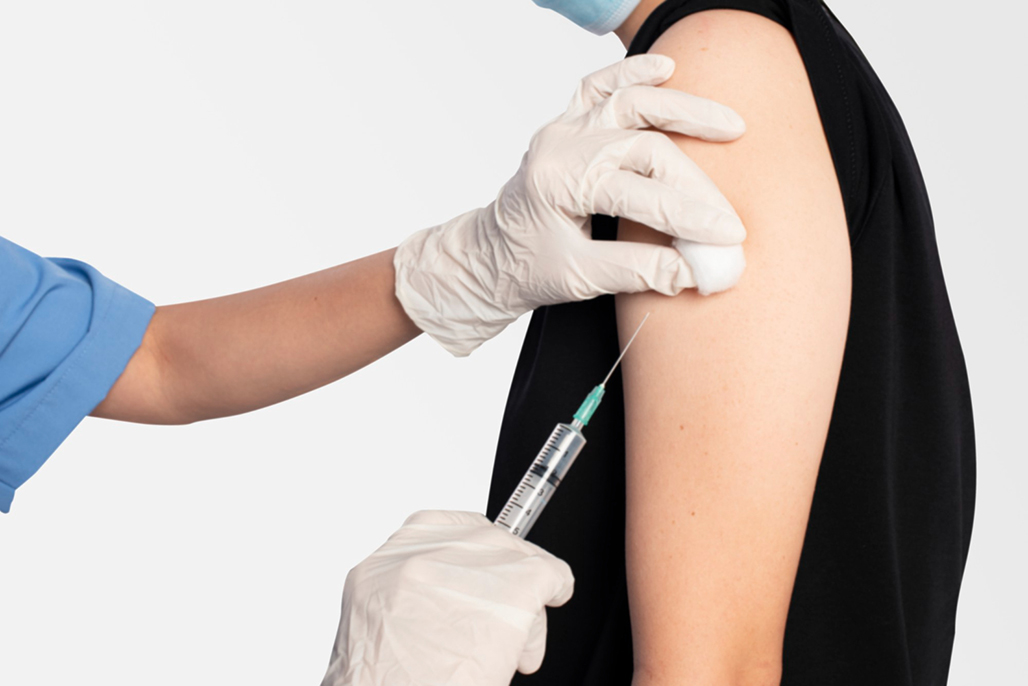
Influenza, or the flu, is a viral infection that tends to spread during the rainy and winter seasons. It’s easily transmitted through the respiratory system, meaning anyone can catch it. However, certain groups are at higher risk—young children, the elderly, pregnant women, and people with chronic health conditions such as diabetes, heart disease, or asthma. While the flu may start off looking like a common cold, in severe cases it can progress to pneumonia, myocarditis (heart inflammation), or even encephalitis (brain inflammation).

Many people have probably experienced that sudden sensation when it feels like the whole world is spinning around—even though you’re sitting still. If this happens to you, know that it’s not just ordinary dizziness. This condition is called “vertigo”, which creates the unnerving feeling of being trapped on a spinning amusement park ride you never signed up for. Unlike the fun of a fairground, vertigo directly affects balance, movement, and daily life.

As the years go by, many people start to feel that things just aren’t the same anymore—walking feels slower, lifting objects that once seemed light becomes more difficult, or even simple exertion leaves you unusually tired. While these changes are often seen as a natural part of getting older, they may actually be warning signs of a condition that is frequently overlooked: Sarcopenia of Aging.

Even after a traumatic or deeply distressing event has ended—such as an accident, the loss of a loved one, or being harmed—some emotional scars may not fade away quickly. Many people continue to feel shaken even weeks or months later. This is not just ordinary sadness but what is known as Post-Traumatic Stress Disorder (PTSD), a condition that can affect everyday life without us realizing it.

PM2.5 is back—and it certainly won’t be the last time. Air pollution remains an unavoidable challenge, whether you live in a bustling city or up in the mountains. The risk of these tiny particles follows us everywhere, often without warning. PM2.5, in particular, is about 30 times smaller than the diameter of a human hair and can slip past the body’s natural defense system to directly damage the lungs, heart, and blood vessels.
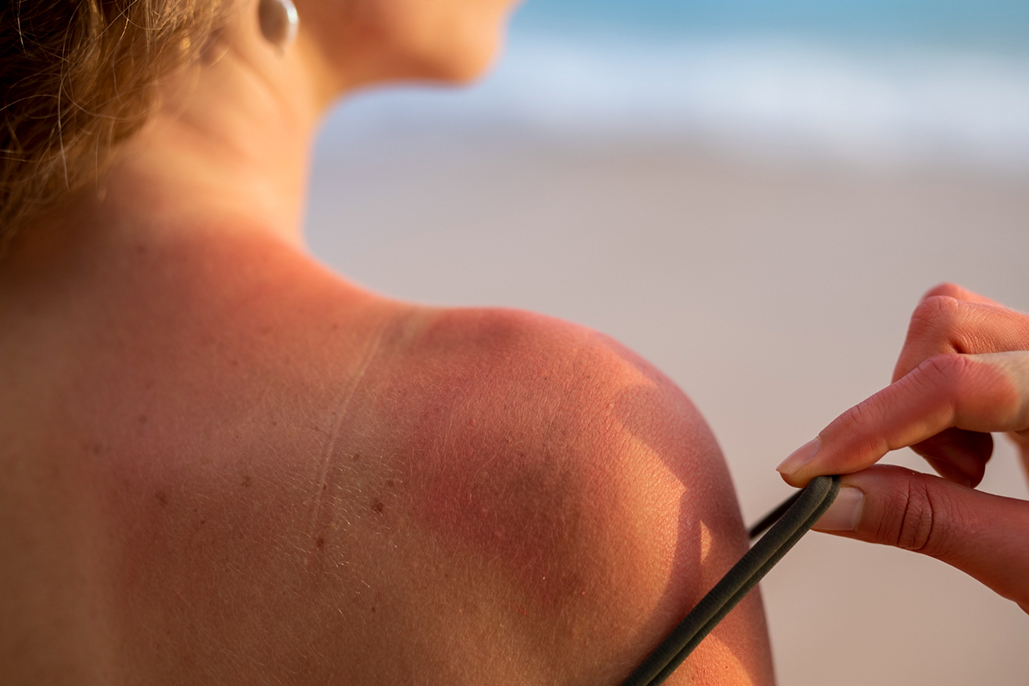
Sunlight brings us warmth, brightness, and many health benefits, such as stimulating vitamin D production, which is essential for healthy bones, immunity, and even improving mood. On the other hand, sunlight also carries invisible dangers—especially when our skin is overexposed to ultraviolet (UV) rays, leading to sunburn. While many people think of sunburn as a minor, temporary issue, in reality, it can be the starting point of long-term health problems, including serious conditions like skin cancer.

In today’s world, social media has become a part of daily life. We’re constantly connected—whether through Facebook, Instagram, TikTok, or LINE—enjoying entertainment, staying updated with news, and chatting with others at the tap of a finger. But behind this convenience lies a hidden risk: when we consume content continuously without taking breaks or filtering information properly, what should have been beneficial can quietly harm both our body and mind.

The trend of IF, or Intermittent Fasting, has become increasingly popular in recent years. This may be because it offers a sustainable way of taking care of your health that isn’t overly complicated. There are different levels to choose from, making it suitable for those who want a flexible method without strict calorie counting or harsh food restrictions—while still improving overall health in the long run.

Have you ever heard of the “HPV virus” or Human Papillomavirus? This is a very common virus that spreads through sexual contact—whether vaginal, anal, or even oral. Once inside the body, HPV can enter cells and disrupt their normal function, causing abnormal cell growth that may spread to surrounding tissues. If left untreated, it can eventually lead to serious diseases such as cancer.
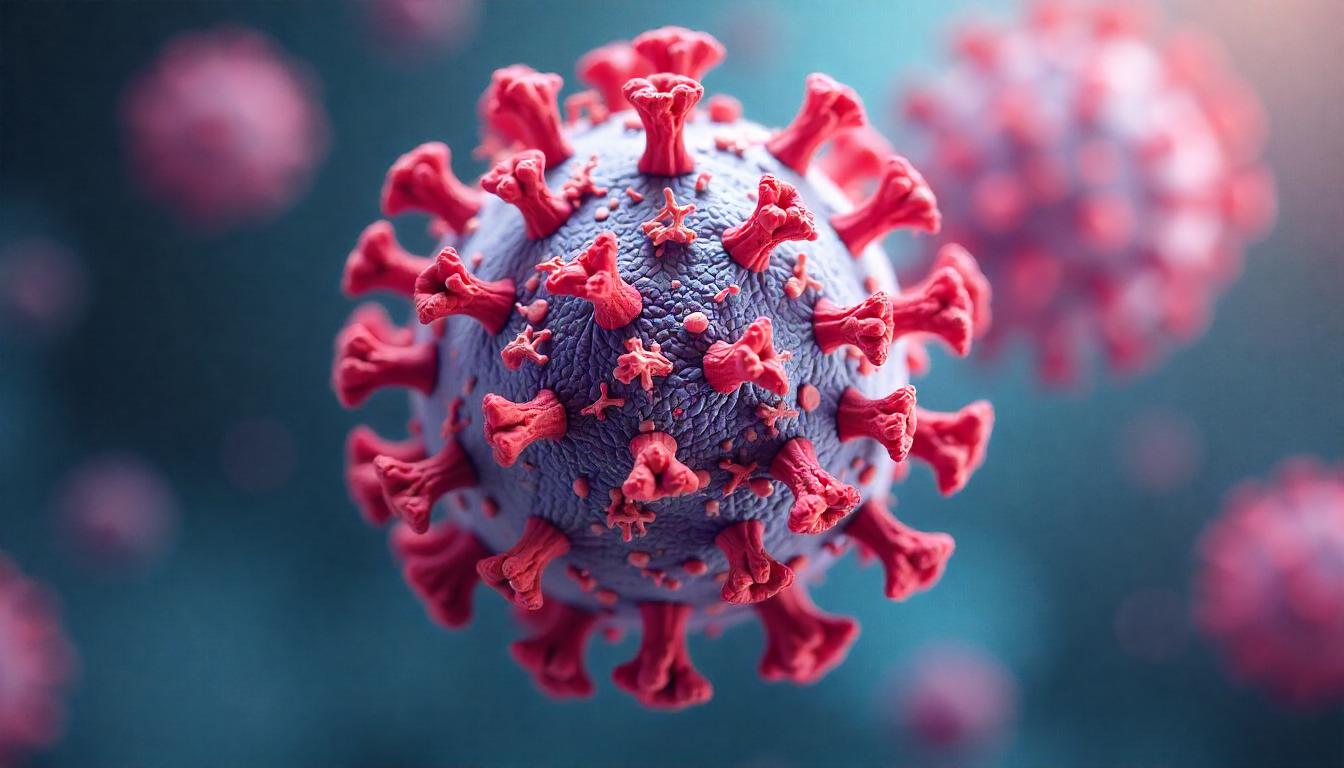
Although not a familiar name to many, Human Metapneumovirus or hMPV belongs to the same viral family as RSV and measles viruses — all of which cause respiratory tract infections, especially among young children, the elderly, and individuals with weakened immune systems. Discovered in 2001, hMPV still has no specific vaccine or antiviral treatment even after nearly two decades, making prevention the most crucial protection.
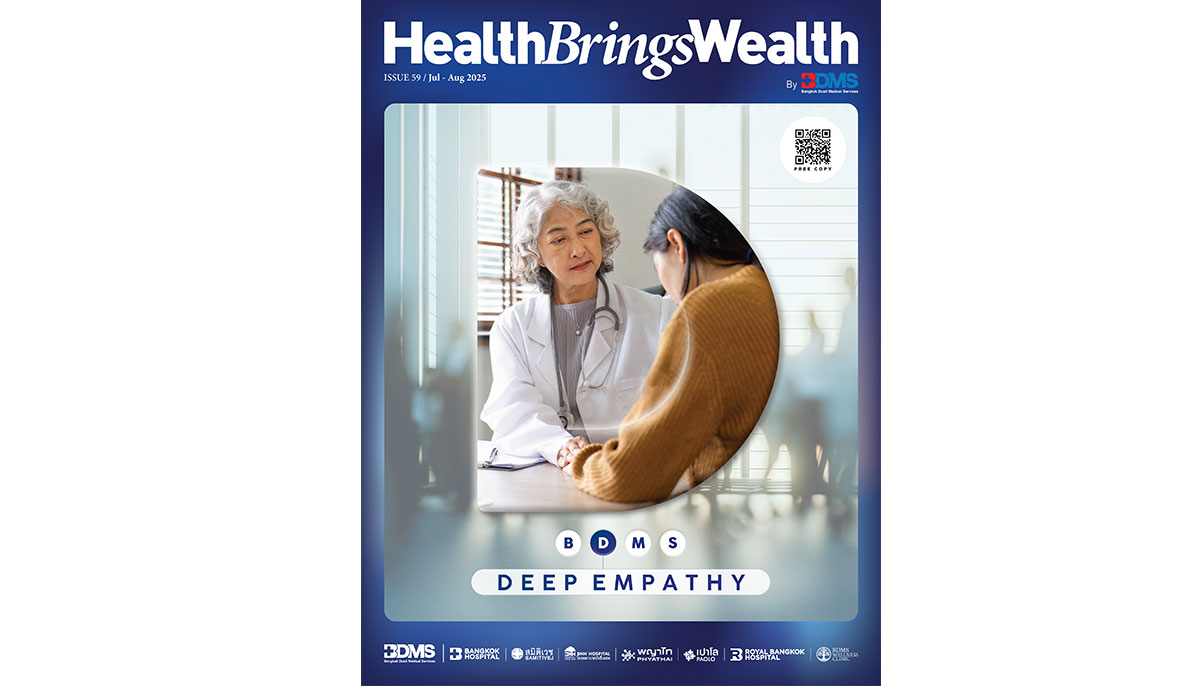
In this issue we explore how empathy woven into every touchpoint of patient care--from the reception desk to the recovery room--can transform a hospital visit. We highlight the silent but powerful role of hospitality in medicine and examine how emotional support is as critical as clinical excellence in the journey of healing.