PM2.5 is back—and it certainly won’t be the last time. Air pollution remains an unavoidable challenge, whether you live in a bustling city or up in the mountains. The risk of these tiny particles follows us everywhere, often without warning. PM2.5, in particular, is about 30 times smaller than the diameter of a human hair and can slip past the body’s natural defense system to directly damage the lungs, heart, and blood vessels.
In Thailand, we often experience periods when PM2.5 levels exceed safe standards, especially during the winter in Bangkok or in northern regions affected by smog. Continuous exposure to PM2.5 not only causes short-term irritation of the eyes, throat, or skin but is also linked to chronic problems such as pneumonia, emphysema, asthma, and even an increased risk of lung cancer. Moreover, PM2.5 can affect the heart, raise blood pressure, and harm unborn babies, increasing the chances of preterm birth or low birth weight.
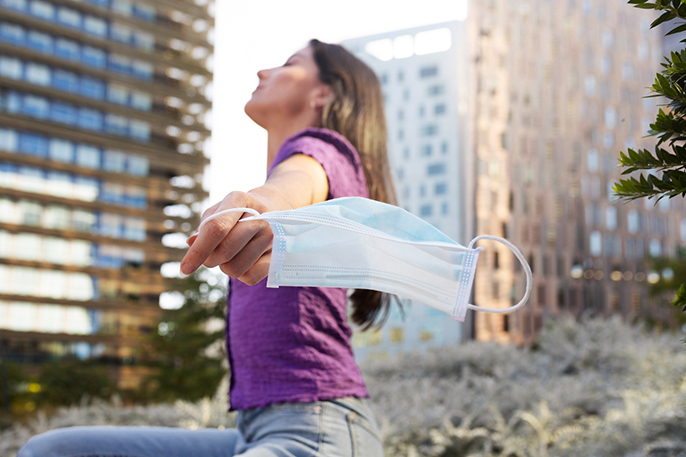
Since we cannot see these microscopic particles with the naked eye, choosing the right mask becomes the first essential line of defense. N95 masks are one of the best options, filtering up to 95% of fine particles, which makes them highly effective against PM2.5. For people exposed to heavy dust, such as outdoor workers, N99 and P100 masks, which filter 99–99.97%, may be even better choices.
There are also 9002A masks, which filter about 86% of PM2.5 and are suitable for daily use. While medical masks and cloth masks are less effective against fine particles, they still provide some level of basic protection, especially if used with extra filter inserts—just make sure the mask fits snugly against the face.
One important detail that many overlook: having a mask isn’t enough—you must wear it correctly. A loose mask with air leakage is as good as wearing none at all. When putting it on, ensure the mask covers both nose and mouth, press the nose clip firmly, and check for leaks by exhaling strongly while holding the mask. If air escapes from the sides, adjust the straps until the fit is secure. Also, replace your mask if it becomes damp or if breathing feels difficult, which means the filter is wearing out.
For those who can’t wear a mask all the time—especially at home—an air purifier is another effective option. Models with HEPA filters can capture nearly 100% of PM2.5. Just make sure to choose one suitable for your room size, place it where air circulates well, and replace the filter as recommended for optimal performance.
On days when avoiding dust completely isn’t possible, self-care becomes crucial: wear a mask outdoors, avoid exercising outside when PM2.5 levels are high, and monitor real-time air quality through reliable apps or websites. If you have underlying conditions or symptoms such as chronic cough, shortness of breath, or chest tightness, consult a doctor immediately—PM2.5 may silently worsen existing illnesses.
No matter your age—child, senior, or adult—selecting a mask that fits properly is key. For children, adult masks are often too loose, so masks designed specifically for kids are necessary to ensure a tight seal and effective protection.
Don’t forget about indoor pollution either. Avoid activities that add pollutants at home, such as smoking, burning trash, using charcoal stoves, or lighting large amounts of incense. Ventilate the house when outdoor dust levels are low, or consider adding air-purifying plants for a natural touch.
In the end, while PM2.5 is a silent threat, knowing how to protect yourself can make life much safer. Stay alert but not alarmed—good health starts with daily habits. Even something as small as choosing the right mask can make a bigger difference than you think.