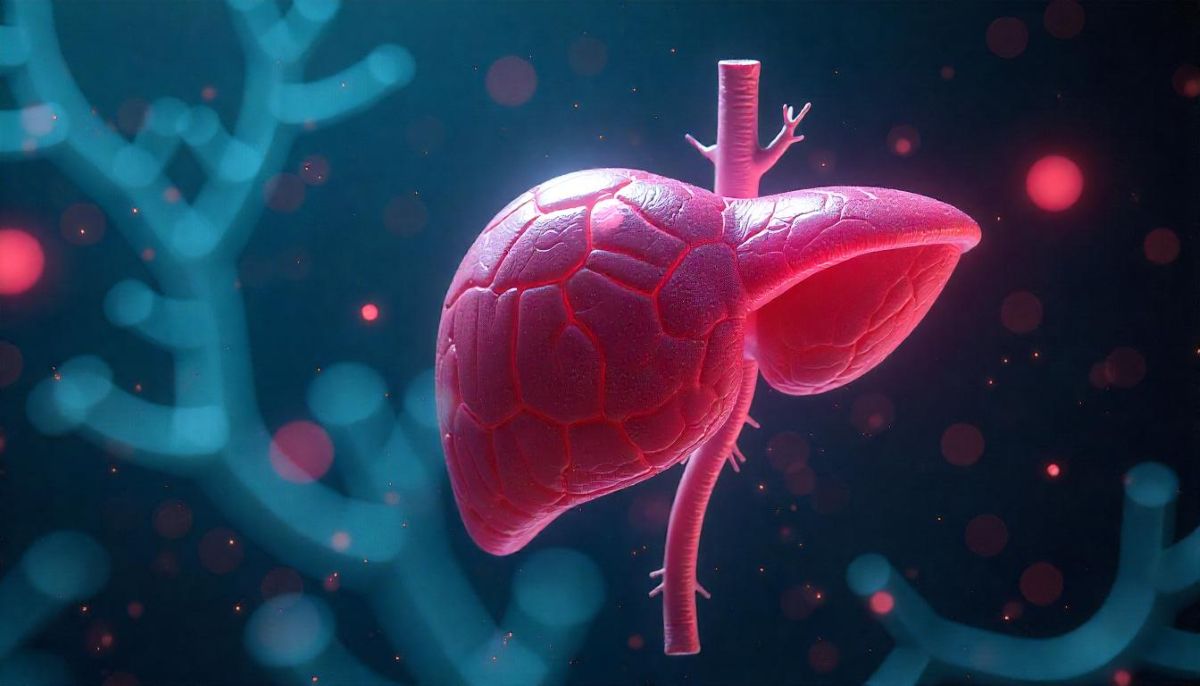
When people hear the word “cirrhosis,” many immediately picture someone who drinks alcohol every evening or relies on liquor more than water. But that’s not always true. Cirrhosis of the liver can happen to anyone — drinker or not — and what’s even more alarming is that many people develop it without even realizing it.
It’s often said that the liver is the hardest-working organ in the body. It metabolizes nutrients, detoxifies harmful substances, produces bile to digest fats, and generates proteins vital for blood function. You could think of it as a 24-hour factory that never stops working or complains — even though it constantly faces waste, toxins, viruses, alcohol, and accumulated fat. Over time, the liver cells become damaged and try to repair themselves by forming scar tissue to replace healthy ones. As a result, the once-soft and flexible liver tissue turns stiff and uneven — a condition we call cirrhosis.
Despite the name, a “hardened liver” doesn’t mean it’s stronger — in fact, it’s the opposite. The scarring that replaces healthy cells disrupts blood flow, gradually weakening the liver’s ability to perform its many essential functions. In the early stages, symptoms may be minimal or even unnoticeable, but as the disease progresses, signs begin to appear — fatigue, loss of appetite, weight loss, yellowing of the skin and eyes, or even abdominal swelling from fluid buildup. Some people may experience confusion or memory loss due to toxins that the liver can no longer filter effectively, while others bruise or bleed easily because the liver produces fewer clotting proteins.
Alcohol isn’t the only villain here. Cirrhosis can also result from hepatitis B or C infections, fatty liver disease associated with obesity or diabetes, or even prolonged use of certain medications — such as drugs for arthritis, tuberculosis, or hormone therapy. In addition, some herbal products and dietary supplements that haven’t been properly tested may contain hidden substances toxic to the liver.
Cirrhosis develops slowly, often while we continue to live our daily lives unaware. By the time symptoms appear, the liver may already be significantly scarred. But amid this unfortunate reality lies a silver lining — the liver has an extraordinary ability to regenerate. If detected early and risky habits are stopped, the liver can repair itself and restore its functions.
Taking care of your liver isn’t complicated. Start by avoiding alcohol, using medications only as prescribed, maintaining a healthy weight, cutting down on greasy and fried foods, and getting regular health checkups. Those at higher risk — such as people with a history of hepatitis, regular drinkers, or those taking multiple medications — should have their liver function tested at least once a year. Most importantly, don’t be fooled by advertisements claiming that supplements can “detox” your liver. To this day, nothing “cleanses” the liver better than a balanced lifestyle.
Don’t wait for your liver to send out an SOS before you start caring for it. If you know the risks and act early, you can keep your liver — and your health — strong for years to come. Because in the end, good health truly begins with the liver — and it starts with both understanding and care.