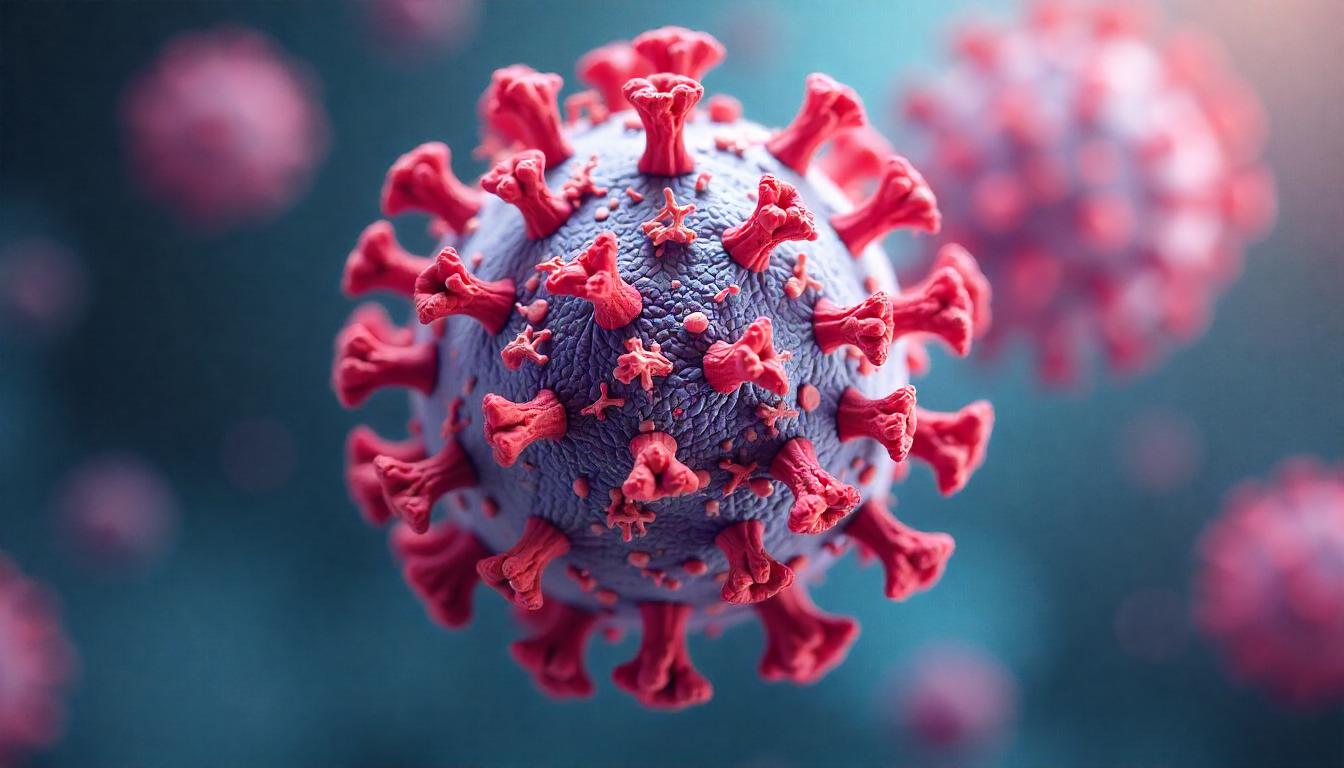
Although not a familiar name to many, Human Metapneumovirus or hMPV belongs to the same viral family as RSV and measles viruses — all of which cause respiratory tract infections, especially among young children, the elderly, and individuals with weakened immune systems. Discovered in 2001, hMPV still has no specific vaccine or antiviral treatment even after nearly two decades, making prevention the most crucial protection.
This virus can infect people of all ages. Among young children, infection rates range from 10–12%, while in adults, it is around 4–8%. Outbreaks are more common during the rainy or winter seasons when the cool, dry air promotes viral spread. Although Thailand has not yet reported any major outbreaks of hMPV, health authorities continue to monitor the situation closely.
Transmission occurs easily through respiratory droplets from coughing or sneezing, as well as through contact with contaminated mucus, saliva, or surfaces — followed by touching the face, particularly the eyes, nose, or mouth. The incubation period is about 3–6 days. During this time, infected individuals may not show symptoms but can still spread the virus unknowingly. Most infected people experience mild cold-like symptoms, including fever, cough, sore throat, runny nose, or hoarseness. For those in good health, symptoms usually resolve within 1–2 weeks without complications.
However, certain high-risk groups — such as children under 5 years old, the elderly, or people with chronic illnesses like asthma, chronic lung disease, cancer, or HIV — may develop severe symptoms or complications, including bronchiolitis, pneumonia, or even respiratory failure requiring hospitalization. To confirm an hMPV infection, the most accurate test is PCR analysis of nasal or throat secretions, though blood tests may also be used to check for immune response.
While there is no specific antiviral medication for hMPV, supportive care helps most patients recover fully. Treatment typically includes fever reducers, cough medicine, expectorants, and plenty of rest. However, medical attention should be sought immediately if symptoms worsen — such as difficulty breathing, high fever (over 38.5°C) persisting for more than three days, severe coughing, or blood-streaked mucus.
Preventive measures for hMPV are similar to those for other respiratory infections. Maintaining good hygiene remains key: wash hands frequently with soap or use alcohol-based sanitizer, wear a mask in crowded places, avoid sharing personal items, and regularly disinfect frequently touched surfaces such as phones and door handles. It is also essential to maintain overall health by eating a balanced diet, exercising regularly, getting enough sleep, and managing stress effectively.
Although hMPV is not a newly discovered virus, it should not be underestimated. Outbreaks can occur unexpectedly, especially during seasonal weather changes or colder months. Being informed and practicing preventive measures early on is the best way to reduce risks — protecting both yourself and those around you from potentially serious respiratory illnesses.