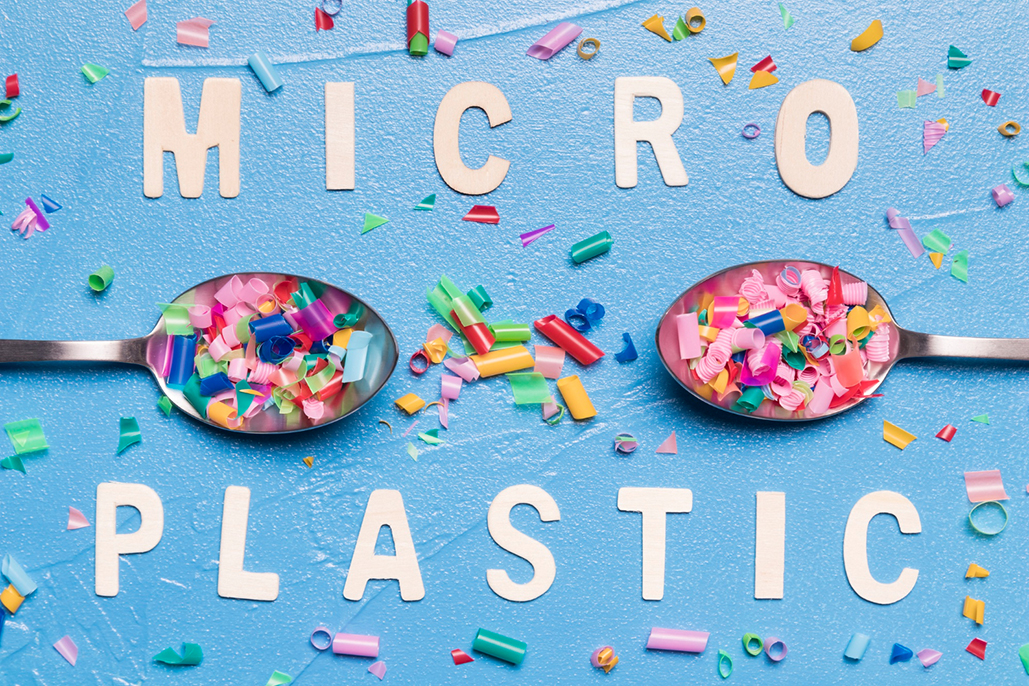
Microplastics may be so small that they are nearly invisible to the naked eye, yet their impact is far greater than expected. In everyday life, we may unknowingly come into contact with or ingest these tiny plastic particles—less than 5 millimeters in size—through food, drinking water, the air we breathe, or even exfoliating creams in the bathroom.
The concern is that microplastics are not only an environmental issue but also a direct health risk to humans. They can infiltrate the body and potentially cause long-term harm without us realizing it. These particles can enter through multiple routes: consuming contaminated seafood or other products, drinking inadequately filtered bottled water, inhaling fibers from fabrics or airborne plastic dust, or using skincare products with microbeads. While skin absorption is minimal, it is not zero. Once inside the body, microplastics can accumulate in the digestive system, lungs, or even circulate into the bloodstream. What makes them even more worrying is that they often carry harmful chemicals such as BPA and phthalates—known endocrine disruptors that increase the risk of chronic diseases.
Many assume that microplastics are a problem confined to industrialized nations or major cities, but research shows otherwise. In Thailand, studies at Bung Boraphet in Nakhon Sawan province have found microplastic particles in surface water and certain fish species. Likewise, microplastics have been detected in sand sediments along Phuket’s beaches. This silent infiltration into ecosystems eventually makes its way onto our plates.
Microplastics are generally classified into two main types. The first are intentionally manufactured small particles, such as beads in facial scrubs or fibers from synthetic clothing. The second type forms when larger plastic waste—like bags, bottles, or fishing nets—gradually breaks down into smaller fragments under sunlight and natural processes, blending unnoticed into the environment.
The health impacts of microplastics are wide-ranging. In the short term, some people may experience bloating, abdominal pain, or digestive irritation. Inhaling airborne plastic fibers can trigger allergies, asthma, or skin rashes. In some cases, internal inflammation may occur without any obvious symptoms. Over time, accumulated particles could interfere with nutrient absorption in the intestines and lead to chronic conditions.
The long-term risks are even more alarming. Microplastics can enter the bloodstream and travel to vital organs such as the liver, kidneys, and even the brain. At high concentrations, they may cause chronic inflammation and raise cancer risks—including colorectal, lung, and breast cancer. Reproductive health is also at risk: in men, microplastics may reduce sperm count and fertility, while in women they may increase pregnancy complications. Neurological effects are another concern, as certain chemicals within microplastics can disrupt brain function, heightening the risk of Parkinson’s disease, Alzheimer’s, or memory loss—conditions often dismissed as stress-related but potentially linked to deeper causes. Some studies even suggest microplastics may contribute to heart disease by inflaming blood vessels, increasing risks of hypertension and arterial blockages.
While the issue is deeply concerning, it is not without solutions. Thailand has already taken a major step by announcing a ban on plastic waste imports starting in 2025. Globally, there is growing momentum for joint measures to address the crisis, with evidence showing over 1,300 marine species and organisms carrying microplastics within their bodies.
At the individual level, we can reduce risks through simple lifestyle changes. These include cutting down on single-use plastics by switching to stainless steel bottles, cloth bags, or reusable food containers; choosing food and beverages from clean sources such as high-quality filtered water; thoroughly washing fruits and vegetables; and avoiding skincare products with microbeads (look for ingredients like polyethylene or polypropylene on labels).
Opting for natural fiber clothing instead of synthetics also helps, as it reduces plastic fiber shedding during washing. If synthetic fabrics are unavoidable, using microfiber filter bags during laundry can minimize plastic release into waterways.
Ultimately, while microplastics may be nearly impossible to avoid completely in today’s world, we can still choose to limit how much enters our bodies. With awareness, knowledge, and small everyday adjustments, we can protect not only our health but also contribute to safeguarding the planet for future generations.