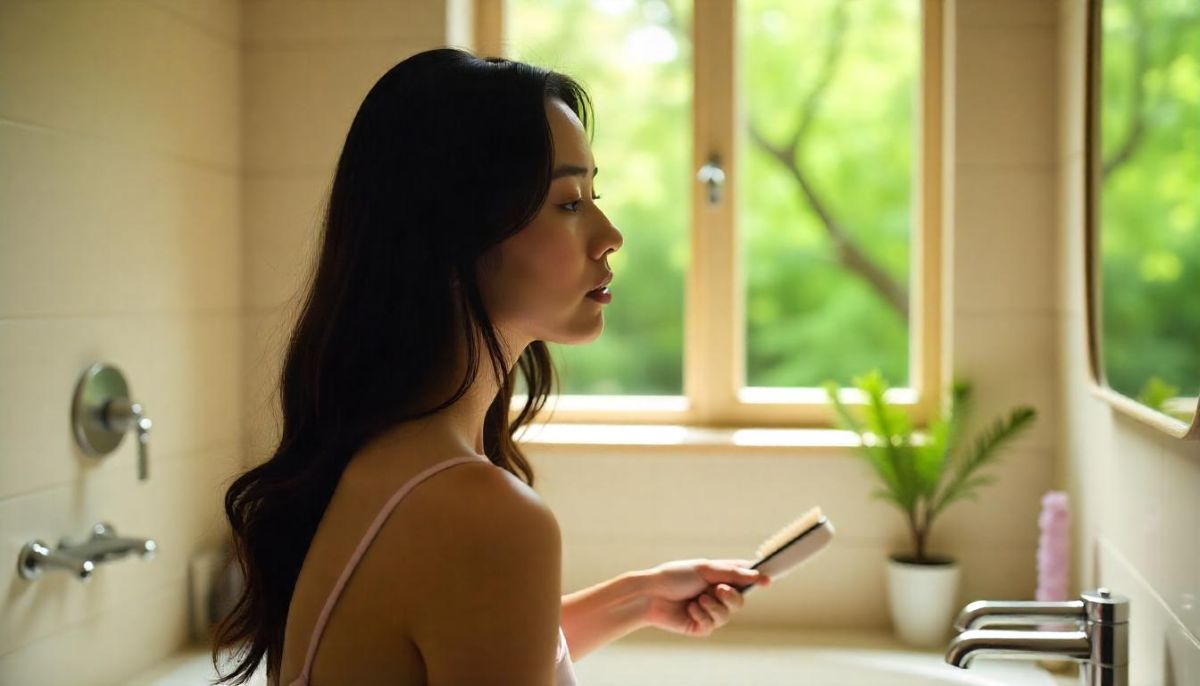
So Much Hair Falling Out… But I’m Not Even That Old! What’s Going On?
Losing a few strands of hair each day might seem perfectly normal — and for most people, it is. But what if one day you notice that every time you run your fingers through your hair, a handful comes out? Or when you bend forward, your scalp seems more visible than before? Could it be that your body is trying to tell you something?
Naturally, every hair strand goes through a life cycle that includes growth, resting, and shedding. Losing 50–100 strands per day is considered normal. However, when hair starts to fall out excessively, thin noticeably, or come off in patches, it may signal a condition known as alopecia — a type of hair loss that, while not life-threatening, can seriously affect confidence and quality of life.
Hair loss can affect anyone — men or women, young or old — and can result from a variety of causes: genetics, hormonal imbalance, chronic stress, autoimmune disorders, or even everyday habits that seem harmless, like frequent heat styling, excessive coloring, or wearing tight or damp hats that weaken the hair roots.
One of the most common forms is androgenetic alopecia (hereditary hair loss). It doesn’t just affect men — women can experience it too. Men often notice receding hairlines or thinning at the crown, while women typically experience a general thinning across the scalp. Research in Thailand has found that about 38% of Thai men experience hereditary hair loss, with prevalence increasing with age.
Apart from permanent forms, temporary hair loss can occur due to severe illness, childbirth, major surgery, infections, or extreme stress. This type usually appears 2–3 months after the triggering event, and hair often regrows once the body returns to balance.
To check whether your hair loss is abnormal, watch for signs such as losing more than 100 strands per day, finding large amounts of hair on your pillow or bathroom floor, or noticing your scalp becoming more visible along your part. Patchy hair loss (round or coin-sized areas) or scalp symptoms such as burning, itching, redness, or flaking may also indicate deeper issues.
A simple at-home test is the “pull test.” Grab about 50 hairs from the middle or back of your scalp and gently tug. If more than five strands come out, it may be a sign of excessive shedding that should be evaluated by a doctor.
While genetic or autoimmune factors may not be avoidable, early scalp and hair care can slow the progression. Start with gentle, regular shampooing using mild products, massage your scalp lightly to stimulate blood circulation, avoid heat and harsh chemicals, and nourish your hair from within by eating nutrient-rich foods like eggs, fish, nuts, leafy greens, and fruits. Supplements such as biotin, iron, vitamin D, and zinc may also help strengthen hair.
Equally important are adequate rest, hydration, and stress management. A well-rested body and a calm mind promote natural repair and growth, including healthier hair in the long run.
For noticeable hair loss, treatments may include topical or oral medications, or hormone-regulating therapies — particularly for men with high levels of DHT (dihydrotestosterone). For autoimmune-related hair loss, more specialized treatments like immunosuppressive drugs or topical corticosteroids may be needed.
Today, modern technology offers promising options. One popular treatment is PRP (Platelet-Rich Plasma) therapy, where concentrated platelets from your own blood are injected into the scalp to stimulate hair regrowth. Another is low-level laser therapy, which enhances follicle activity and improves scalp circulation.
Emerging options like Exosome Therapy (using stem-cell-derived factors to rejuvenate follicles), Microneedling with nutrient serums, and at-home laser devices (such as combs or caps) also show good results, especially in early stages of thinning.
No matter which route you choose, always consult a doctor or dermatologist first to ensure the treatment fits your scalp condition and overall health. The earlier you take action, the better your chances of restoring stronger, healthier hair.
Don’t wait until your hair becomes just a memory in old photographs — caring for your scalp and hair today is the key to regaining not only healthy strands but also your confidence.