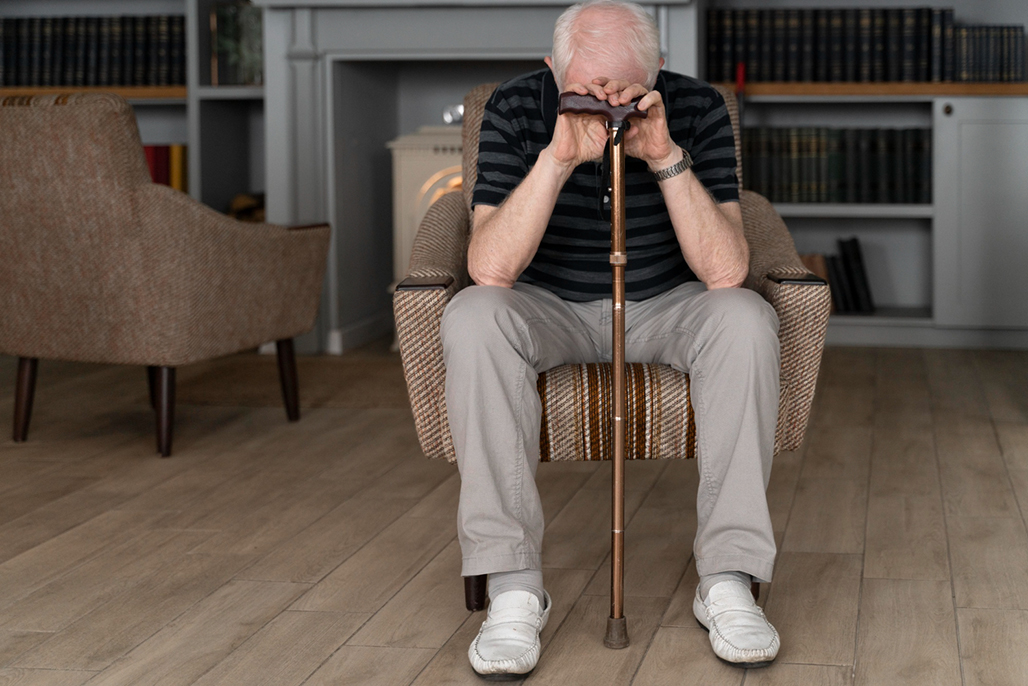
As the years go by, many people start to feel that things just aren’t the same anymore—walking feels slower, lifting objects that once seemed light becomes more difficult, or even simple exertion leaves you unusually tired. While these changes are often seen as a natural part of getting older, they may actually be warning signs of a condition that is frequently overlooked: Sarcopenia of Aging.
Sarcopenia occurs when muscle mass and strength gradually decline with age. This reduces the ability to move and perform everyday activities—like standing up from a chair without support, climbing stairs, or balancing on uneven ground. What once seemed effortless can become difficult and even dangerous. Beyond affecting daily life, sarcopenia significantly increases the risk of falls, fractures, serious injuries, and even long-term dependence on others.
Although this condition develops gradually, its impact is widespread, affecting both body and mind. People with sarcopenia often recover more slowly from illnesses or surgery, may require frequent hospital visits, and can experience feelings of depression or discouragement as their independence quietly diminishes.
Globally, about 10–16% of older adults are affected by sarcopenia, with prevalence varying by ethnicity, lifestyle, and healthcare systems. In Thailand, a 2024 study found that 20.7% of adults over 60 have this condition—more men than women—closely linked to hormone levels and exercise habits.
While sarcopenia may seem like an inevitable part of aging, several factors can accelerate or worsen it. These include advancing age (which affects hormones and muscle synthesis), lack of exercise, poor nutrition—especially insufficient protein and vitamin D—as well as chronic diseases such as diabetes, heart disease, kidney disease, or chronic inflammation.
Those who are underweight or malnourished are at particularly high risk. In fact, people with a low body mass index are up to nine times more likely to develop sarcopenia compared to others. Additional risk factors include depression, smoking, excessive alcohol consumption, and poor sleep.
But how do you know if you might already be experiencing sarcopenia?
Warning signs include noticeable muscle weakness, feeling fatigued even when carrying light items, difficulty rising from a chair, slower walking speed, weak legs, frequent falls, unintentional weight loss, or trouble performing daily tasks. If you notice these symptoms, it’s important to consult a doctor for proper assessment and care planning, especially if you already have chronic health conditions or frequent hospitalizations.
Currently, there is no specific medication to treat sarcopenia. The good news, however, is that it can be slowed down—and even prevented—through lifestyle changes. Regular exercise is key, particularly resistance training such as weightlifting, resistance bands, or bodyweight workouts. Aerobic activities like brisk walking, swimming, or cycling also help improve overall fitness.
Adequate protein intake is another cornerstone of prevention. High-quality protein should come from varied sources such as lean meats, eggs, dairy, legumes, quinoa, or tofu. Protein should be spread evenly across meals rather than concentrated in just one, to ensure the body can continuously use it for muscle building. For those with conditions like kidney or liver disease, nutritional planning should always be guided by a doctor or dietitian.
It’s equally important to avoid risky behaviors such as smoking, excessive alcohol use, or prolonged sitting without movement. Regular health check-ups can help monitor strength and muscle function over time.
For those already diagnosed with Sarcopenia of Aging, muscle recovery and functional training should continue under the guidance of doctors or physiotherapists, supported by proper nutrition and safe home modifications to reduce fall risks.
Remember—while we cannot stop the clock, we can prevent our muscles from fading away with time. By taking action early, we can stay stronger, healthier, and live with quality for many more years to come.